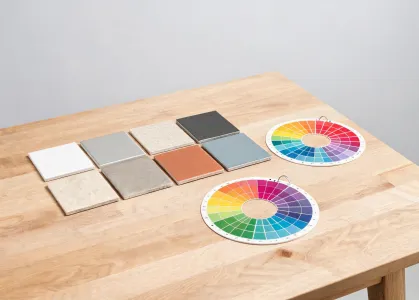
Sample curation
Receive boards matched to traffic class, wet-area DCOF targets, and cabinet or wall paint undertones so shortlists stay disciplined.
From ANSI datasheets to mortar bed guidance, our technical team helps architects, procurement managers, and contractors keep finish schedules precise through bidding and install.
Request Technical ConsultationService pillars
Receive boards matched to traffic class, wet-area DCOF targets, and cabinet or wall paint undertones so shortlists stay disciplined.

Align PEI class, water absorption rate, trim availability, and movement joint notes before drawings freeze and value engineering begins.
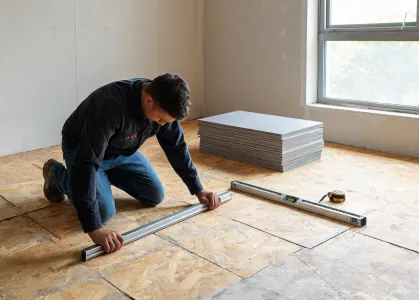
Share mortar coverage expectations, lippage control methods, and membrane options for moisture vapor transmission risk zones.
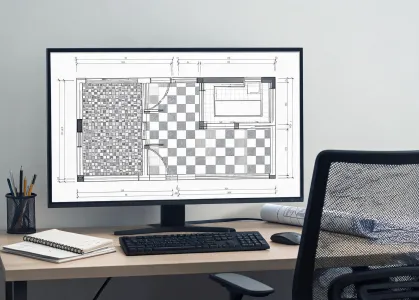
Access drawing blocks and layout patterns that help detailing teams coordinate niches, slopes, and transition strips early.

Stabilize glaze shade lots across hospitality or multifamily packages with clear batch communication for installers.
Service engagements emphasize slip resistance coefficient documentation (ANSI A326.3 method cited on wet-area finishes), abrasion resistance class selection, dimensional stability for large-format porcelain, and VOC emissions pathways when LEED contribution language appears in the project manual. When buyers weigh natural stone character against engineered consistency, we surface compressive strength, flexural strength, resealing labor hours, and certificate scope so the finish schedule records both sides of the trade-off.
We translate collection aesthetics into Division 09 language: water absorption rate limits, PEI traffic classes, trim schedules, and movement joint notes that survive value engineering. CAD and BIM packages keep niches, slopes, and transitions coordinated before shop drawings begin, reducing RFIs that stall procurement. Sample kits target a 48-hour turnaround when SKUs are in stock at regional centers.
Install guidance covers substrate flatness tolerances, mortar coverage (≥80% dry areas / ≥95% wet areas for large-format porcelain), and cleaner chemistry limits that protect glaze and joints through the first years of service. Food-service and healthcare teams receive notes on thermal cycling near equipment and disinfection routines that stay inside published care windows.
Service limits: Technical consultation clarifies published datasheets and install standards; it does not redesign structural support for quartz spans or certify a project for LEED. Lot-control language reduces shade risk on multi-unit packages but cannot freeze kiln output against every late change order. Outdoor freeze-thaw and polished wet DCOF remain SKU-specific gates we will flag rather than paper over.

Share collection names, room types, and install windows—we will recommend samples, datasheets, and next technical steps.